Chapter I — Africa Beyond the Brochure

Explore Africa Beyond the Brochure

Six countries. Hundreds of parks, forests, deltas and dunes — mapped, season by season, with the intelligence to choose between them.

September — dramatic Mara River crossings in the north.

Chapter III — Wild Africa

Four journeys worth planning a year around

Not itineraries — understandings. What each of these experiences actually demands, and when it truly happens.

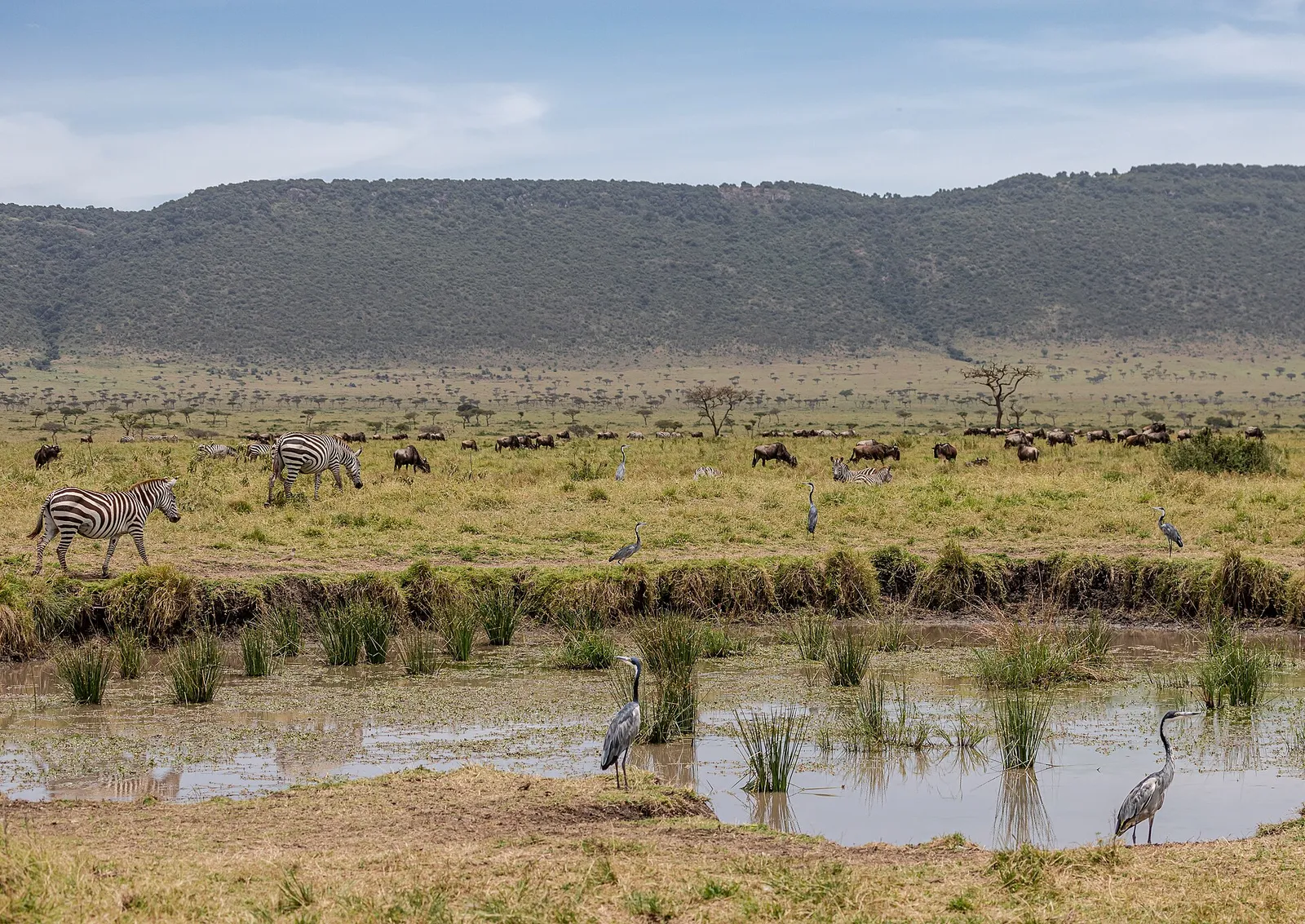
Zebra and wildebeest herds grazing across the Maasai Mara plains

Photo: Ninara, via Wikimedia Commons, CC BY 2.0

ITanzania · Kenya — Serengeti–Mara ecosystem

The Great Migration

Over a million wildebeest and zebra trace an ancient circuit through the Serengeti and the Maasai Mara — the largest overland movement of animals on Earth.

It begins with rain. The herds follow the green growth in a continuous loop: calving season on the southern Ndutu plains from December to March, a westward drift through April and May, the Grumeti River crossings of the western corridor in June and July — and then, from July to October, the Mara River crossings the documentaries are made of.

There is no single best month, because the migration is not an event you book. It is a place you intercept. Where the herds stand in June is unrecognisable from September; the river crossings are a narrow, unpredictable window that even the best guides can only promise as a probability.

Calving Dec–Mar · Grumeti crossings Jun–Jul · Mara River Jul–Oct

When to catch the migration →
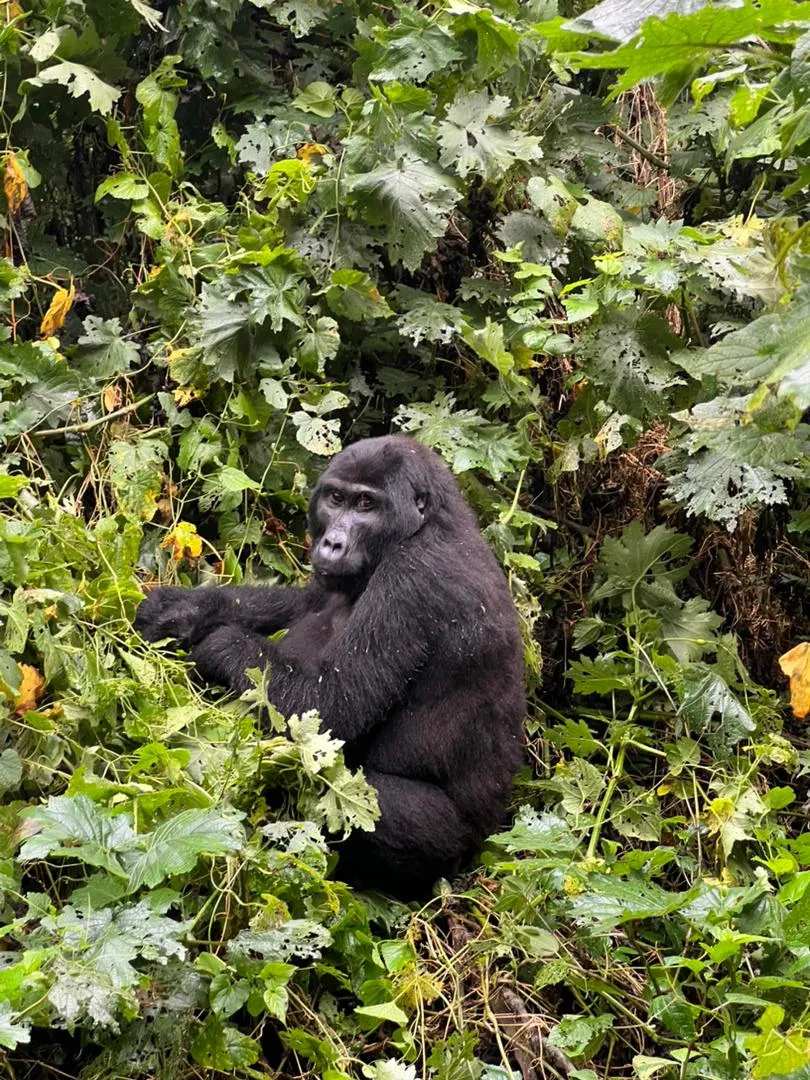
A mountain gorilla sitting among the dense greenery of Bwindi Impenetrable Forest

Photo: Rebeccananonof, via Wikimedia Commons

IIUganda · Rwanda

Face to Face with Mountain Gorillas

In the misted rainforests of Bwindi and the Virunga volcanoes, an hour with a gorilla family remains the rarest encounter in travel.

Bwindi Impenetrable Forest is exactly what the name promises: steep, tangled and dripping, home to roughly half of the world's remaining mountain gorillas. Trekking starts at dawn from one of four sectors — Buhoma, Ruhija, Rushaga or Nkuringo — and can run from an hour's walk to a full day of climbing before the trackers signal.

Across the border in Rwanda, Volcanoes National Park wraps five Virunga volcanoes in afro-alpine mist and offers the most accessible gorilla trekking on Earth, under three hours' drive from an international airport. Permits are limited by design — the encounter is capped at one hour, and it is never forgotten.

Bwindi alone shelters roughly half of all remaining mountain gorillas

Plan a gorilla trek →
Elephants grazing on the Amboseli plains beneath the snows of Mount Kilimanjaro

Photo: Ninaras, via Wikimedia Commons, CC BY 4.0

IIITanzania — 5,895 m

The Slow Ascent of Kilimanjaro

The world's tallest freestanding mountain is climbed on foot, pole pole — and the walkers who respect the altitude are the ones who reach the roof of Africa.

Kilimanjaro needs no technical skill, which is precisely what makes it deceptive: the summit is a walk, but it is a walk to 5,895 metres. Six signposted routes rise from the mountain's flanks, from the busy Marangu huts to the long, scenic western approach of Lemosho, whose extra days buy the acclimatisation that summits are made of.

The mountain sets its own calendar. Most of the year the roof is on the mountain: the best windows run from June to October and again from December to February. Everyone who climbs it learns the same Swahili phrase on day one — pole pole, slowly slowly — and the ones who listen are the ones who watch sunrise from Uhuru Peak.

5,895 m · six routes · seven to eight days is the acclimatisation sweet spot

Compare all six routes →
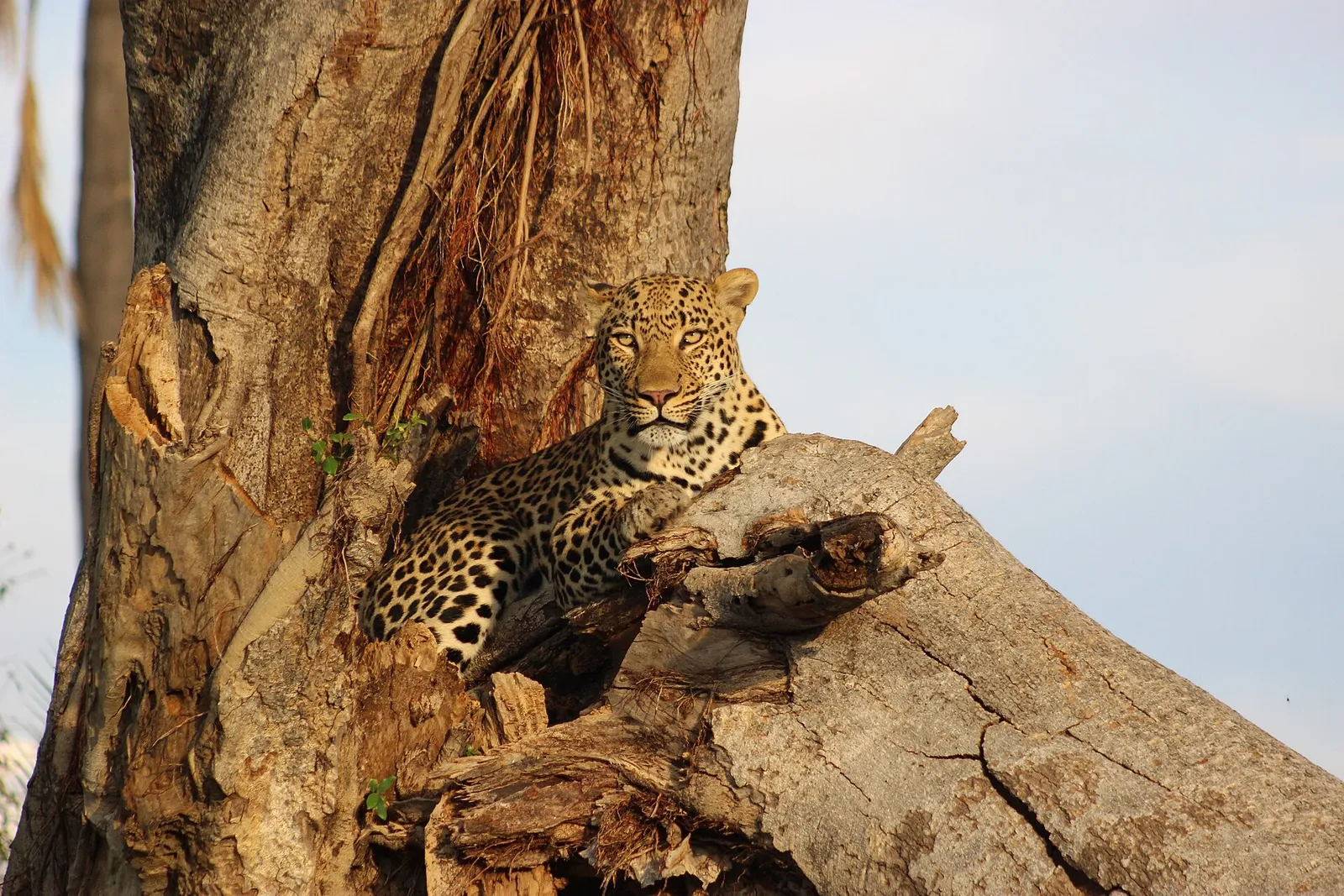
A leopard resting in the fork of a large tree in the Okavango Delta

Photo: Richardk85, via Wikimedia Commons

IVBotswana

The River That Ends in Sand

Floodwaters born in the Angolan highlands fan out across the Kalahari and simply stop — the world's largest inland delta, and its most intimate safari.

Every year, rain that fell in Angola takes months to reach Botswana, spreading into 15,000 square kilometres of channels, islands and floodplains — and then, instead of reaching the sea, it sinks into the sand. The Okavango is the world's largest inland delta and a UNESCO World Heritage Site, a wetland in the middle of a desert.

The flood pulse shapes everything: wildlife concentrates on the islands as the water rises, camps are reached by light aircraft or mokoro canoe, and game drives share the plains with pole-pole glides past elephants and hippos. It is the planet's most intimate safari — quiet, seasonal, and utterly unlike the open plains of the north.

15,000 km² of wetland in Kalahari sand — floodwaters that never reach the sea

Explore the Delta →

Chapter IV — Culture & People

The cultures behind the wildlife

All culture & people →

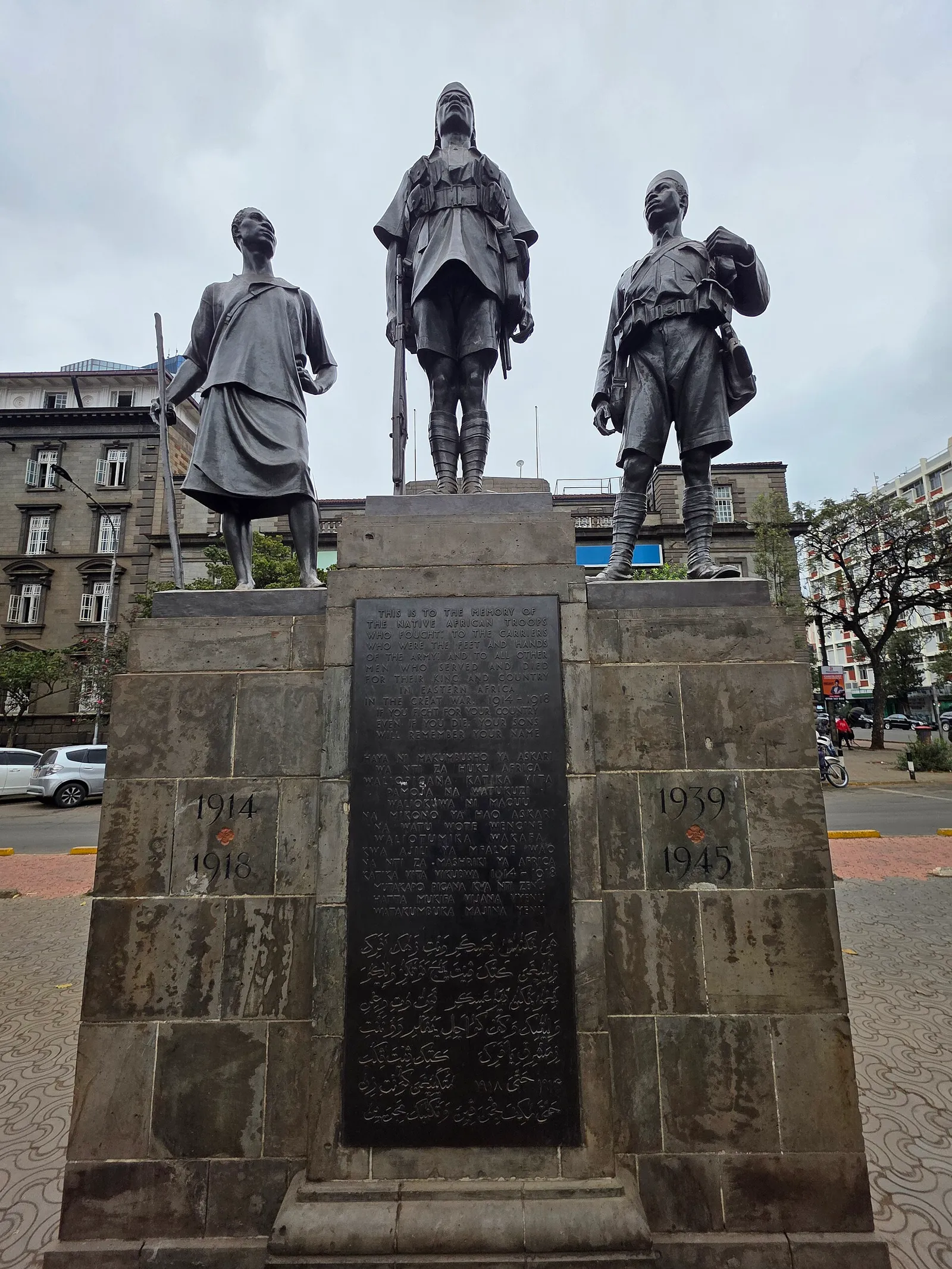
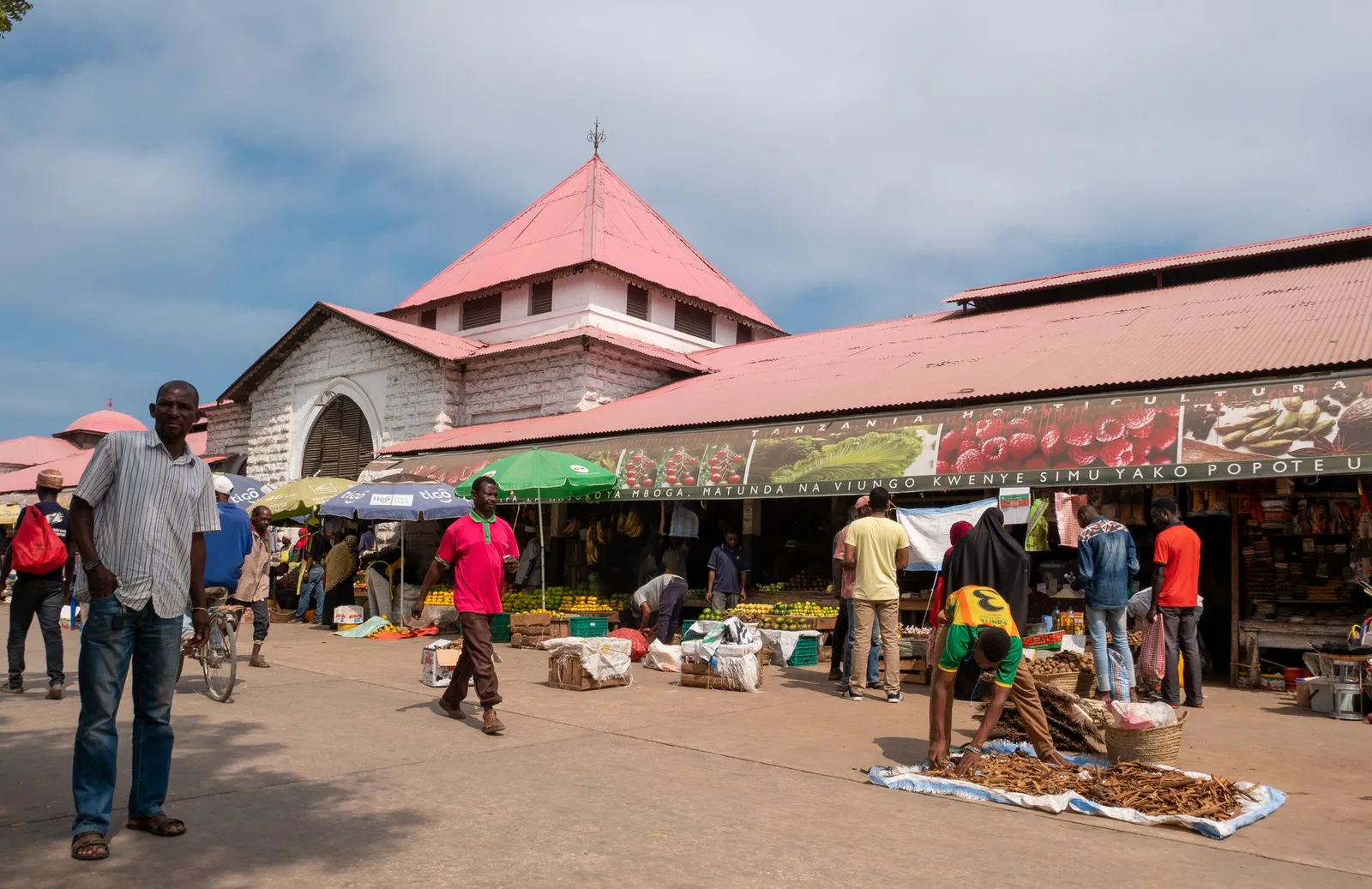
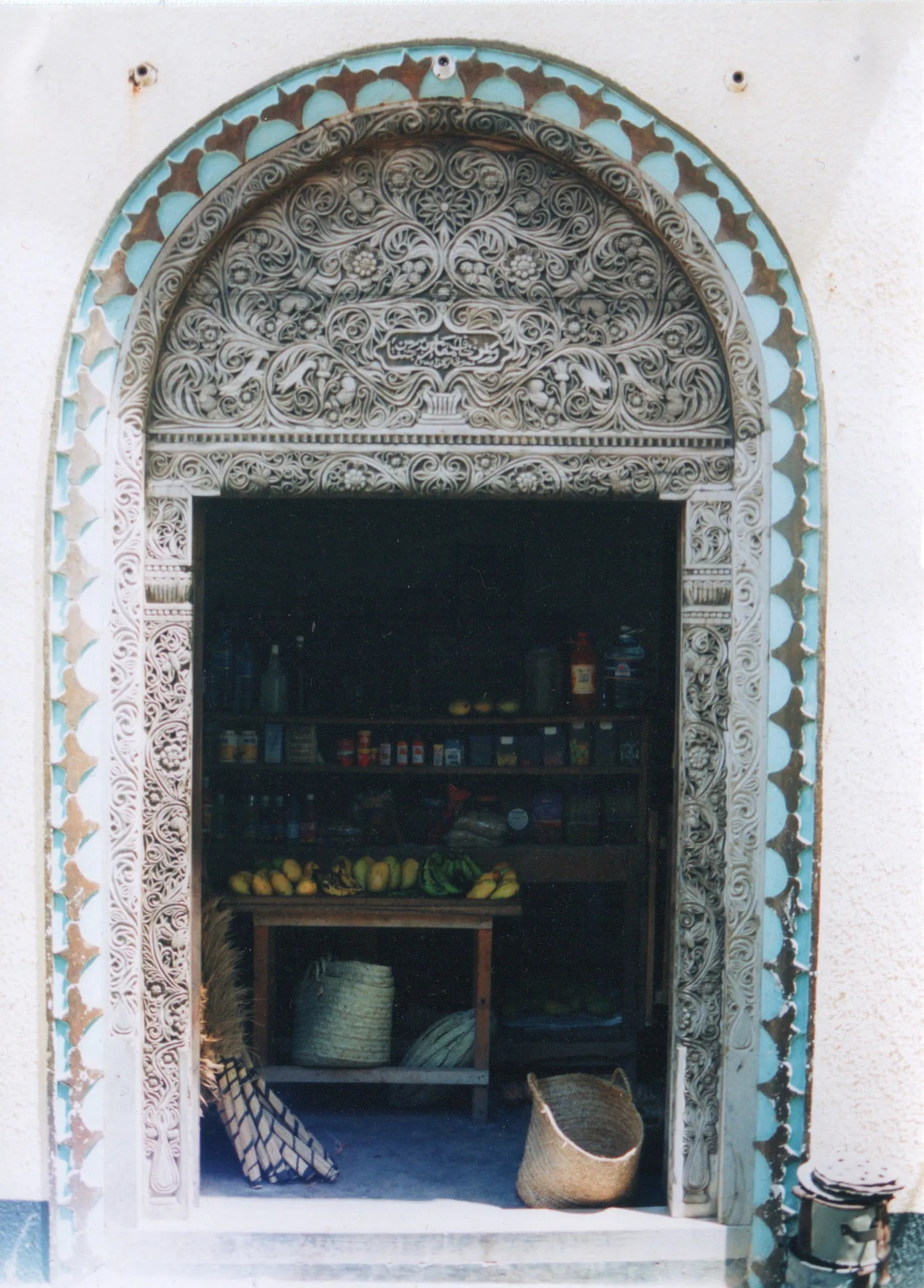
The wilderness is half the story. Markets, museums, stone towns and the communities who share these landscapes complete it.

Chapter V — Great Journeys

The classic expeditions

Routes and crossings that have earned their place in safari history — each with the season, the demands and the honest difficulty.

All six routes → · Getting there & around →

Or begin with the trip you're imagining

Chapter VI — Plan Intelligently

Intelligence, not brochures

Right now · September

D ramatic Mara River crossings in the north..

Mild and pleasant, with only occasional showers..

Prime regions this month: Etosha & the far north · Sossusvlei, the Namib & the coast · Southern safari circuit.

Every claim on this platform traces back to real data — decades of climate records, seasonal wildlife patterns and the platform's own curated content.

The evidence

Every claim traces to a record

39 Destinations
24 National parks & reserves
594 License-verified photographs
168 Monthly climate records

No invented lodges. No copied reviews. No stock-photo promises — every photograph is license-verified and every season traces to a real record.

Explore Africa

The whole guide, from here

Full guide index →

Places

Premium destinations

All destinations →

Experiences

Signature safaris & reserves

All safaris →

Field guides

Travel guides

All guides →
Offline — showing the cached guide